Serving salad to tiny people can seem impossible, even wasteful. I do concede that a large pile of raw veggies is not the most appealing meal to kids, or me, for that matter. Below are some tips and tricks to make it more fun and tasty for the little people in your life.
Deconstruct
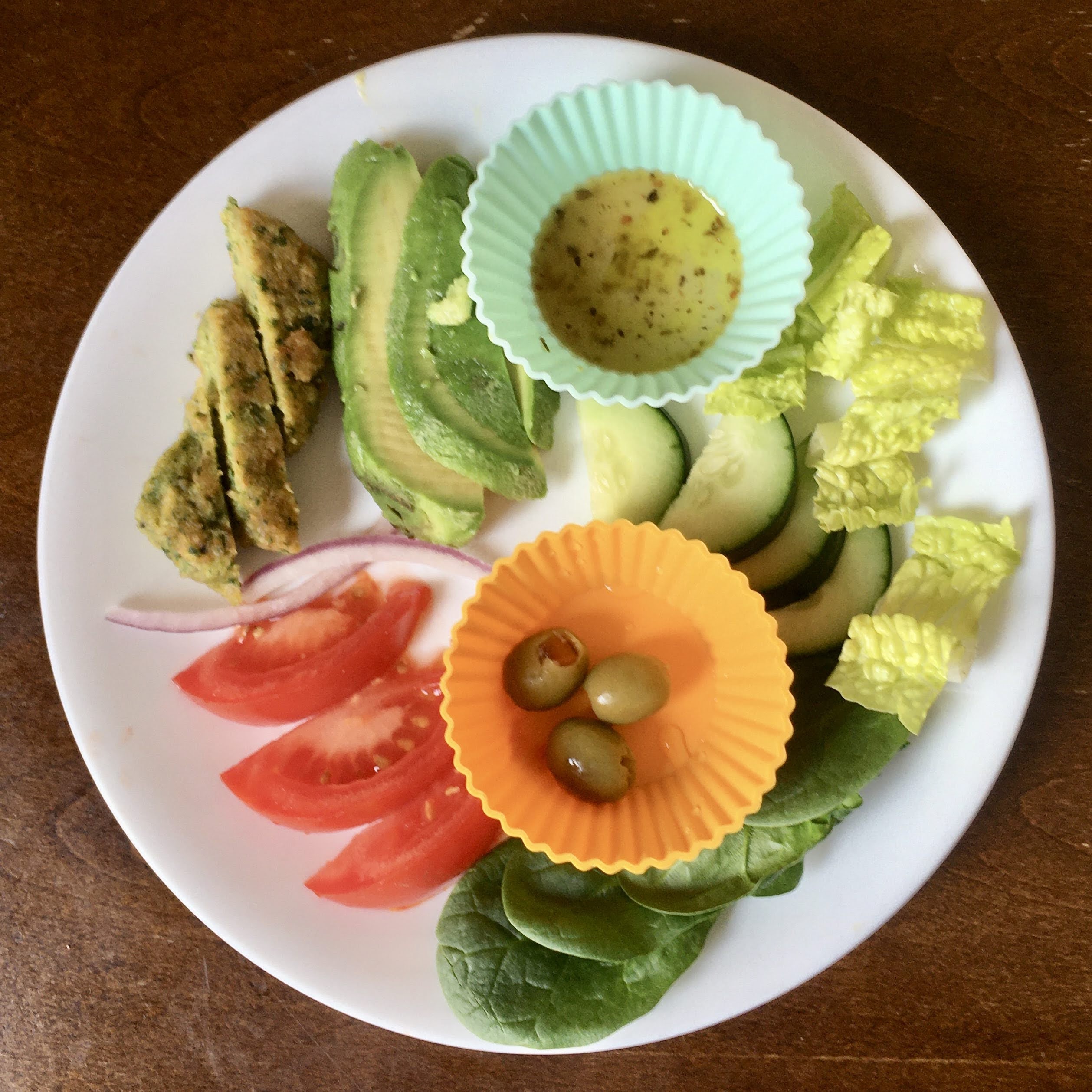
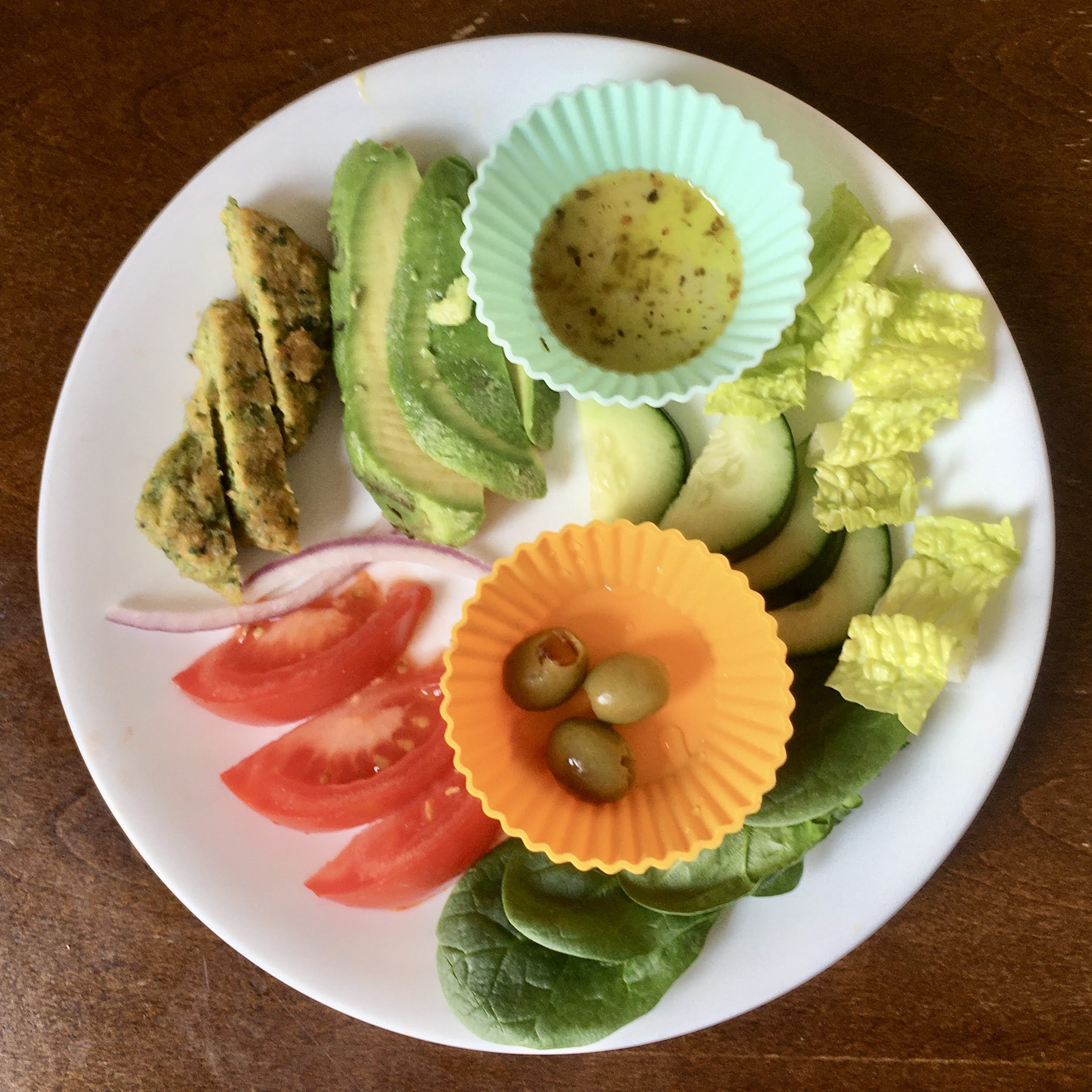
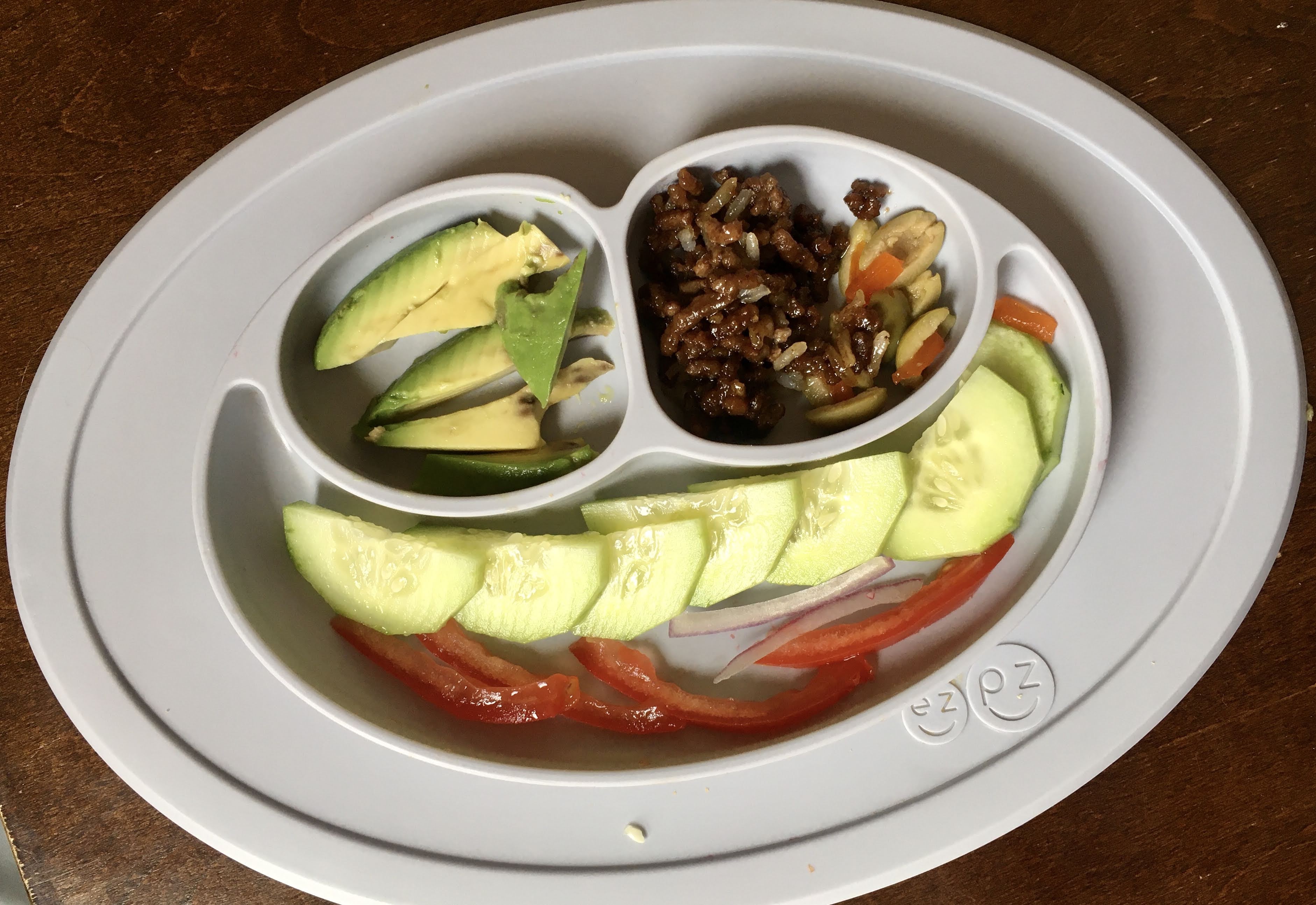
A big jumble of food can be intimidating to a young eater. New foods are scary. It threatens their security of having enough to eat. Serving each component separate allows them to investigate more easily. They can see, touch, smell, and maybe even taste each item without fear of something icky interfering. Some might think this will make them want their food deconstructed all the time, but that is not the case. As they become more familiar with salads, they will slowly tolerate more items being mixed.
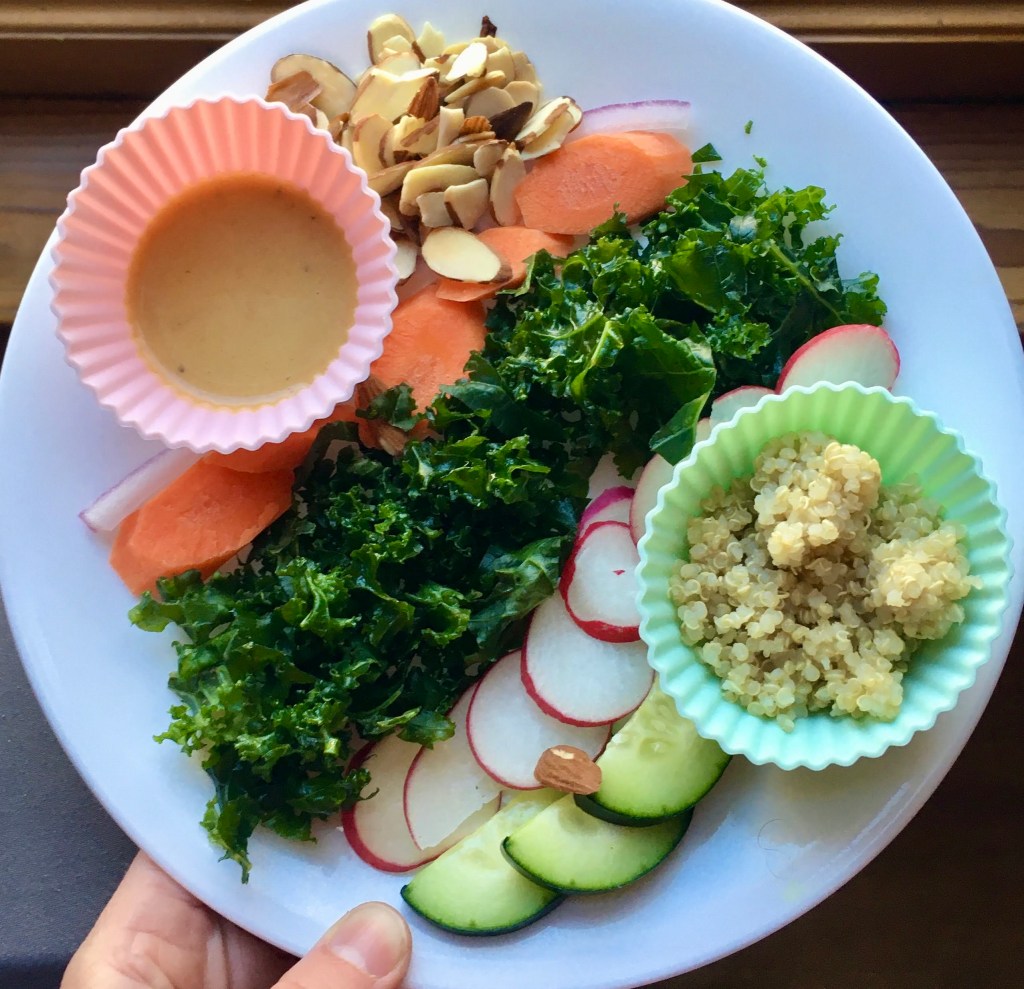
Crudités
Think of salad more like crudités. I find this to be a fun outlook. It feels fancy and French (for those of you whose kids love Fancy Nancy, this may be a helpful perspective). This is particularly helpful if your child already has an aversion to “salad”. This can be a new way to introduce the same type of food. Include fun charcuterie and cheese plate elements like interesting jams, yummy crackers, and lunch meats.
Another aspect of crudités is that they are typically served as an appetizer. Try keeping a platter of chopped, fresh vegetables with a favorite dressing in the fridge. Pull it out when the pre-dinner hunger starts. Added bonus, I like to snack on them too while I’m getting dinner ready. They can try it if they want, but they know dinner is coming soon. This cuts down on the pressure to try it. (which is a good thing!).

Dips!
Dipping is fun for kids. It makes mealtime more like playtime. Putting a small bowl of dip on their plate of salad invites interaction. Even if they don’t eat the food, they are touching and interacting with it in a positive way.
Try salad dressing, peanut sauce, hummus, homemade ranch, almond butter, mayonnaise + small amount of sriracha, yogurt + jam, or whatever dip they to like.

Safe Foods
What is something you know your kid will love? Is it cheese? Bread? Crackers? A banana? Ensure that there is something comforting on the plate for each of your eaters. It’s helpful to keep a few nonperishable, liked foods on hand. That way, when you’re trying something new, you can pop a few on there.
Note on safe foods: they don’t work if they are limited. Safe foods need to have unrestricted access to work as a safe food. This may mean they will eat 5 pieces of bread and butter or only have a pile of crackers. That’s okay. It’s about creating a safe environment for exploration of foods. It’s not about what they eat only on that day. Kids are excellent at evening out their nutrient consumption over time, when they are offered a wide variety of foods. Now, if I’m using berries as our safe food that week, and I want to have another serving later in the week, I will only take out half and put those on the table. That way, the limit is clear and everyone knows how much there will be. Then once everyone has had one serving, they can have another serving until it’s gone. If you’re trying to limit because you don’t think they should eat that much of a food item, you might be overstepping in the division of responsibility in feeding. See my post on this topic for a more in-depth discussion.
Filling
Raw veggies are full of vitamins, minerals, and fiber, but they are not very satiating. Satiation typically comes from fat. We want to make sure we have some fat and protein in the salad so that they feel full and satisfied. This can be boiled eggs, cheese, butter on toast, nuts or seeds (after age 4), or yummy dressing.
Repetition
Don’t be discouraged if they don’t try it the first time. It is likely they won’t. When you include a safe food they are able to eat, you can be assured they won’t go hungry. Try changing up your go-to salad with a new veggie or adding fruit. Don’t give up! Just when you think they’ll never eat it, they start to pick at it. Before you know it, they’re no longer complaining about salad and even eat a few components from their plate.
Snack Time
Trying a small salad at snack time can be a lower pressure environment. Both of you know that a meal is coming soon, so there is no worry that they will go hungry for long.
Make it Colorful
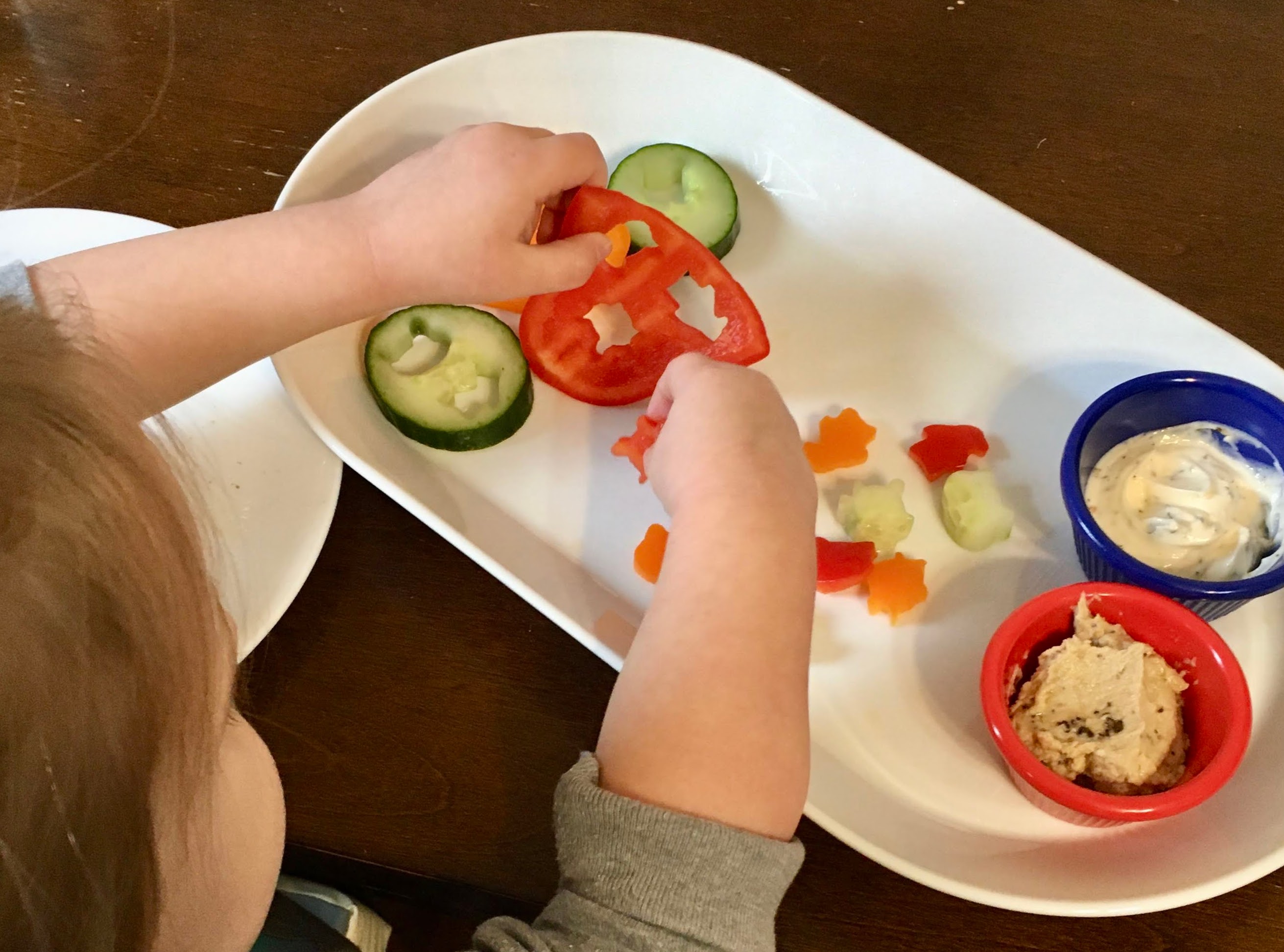
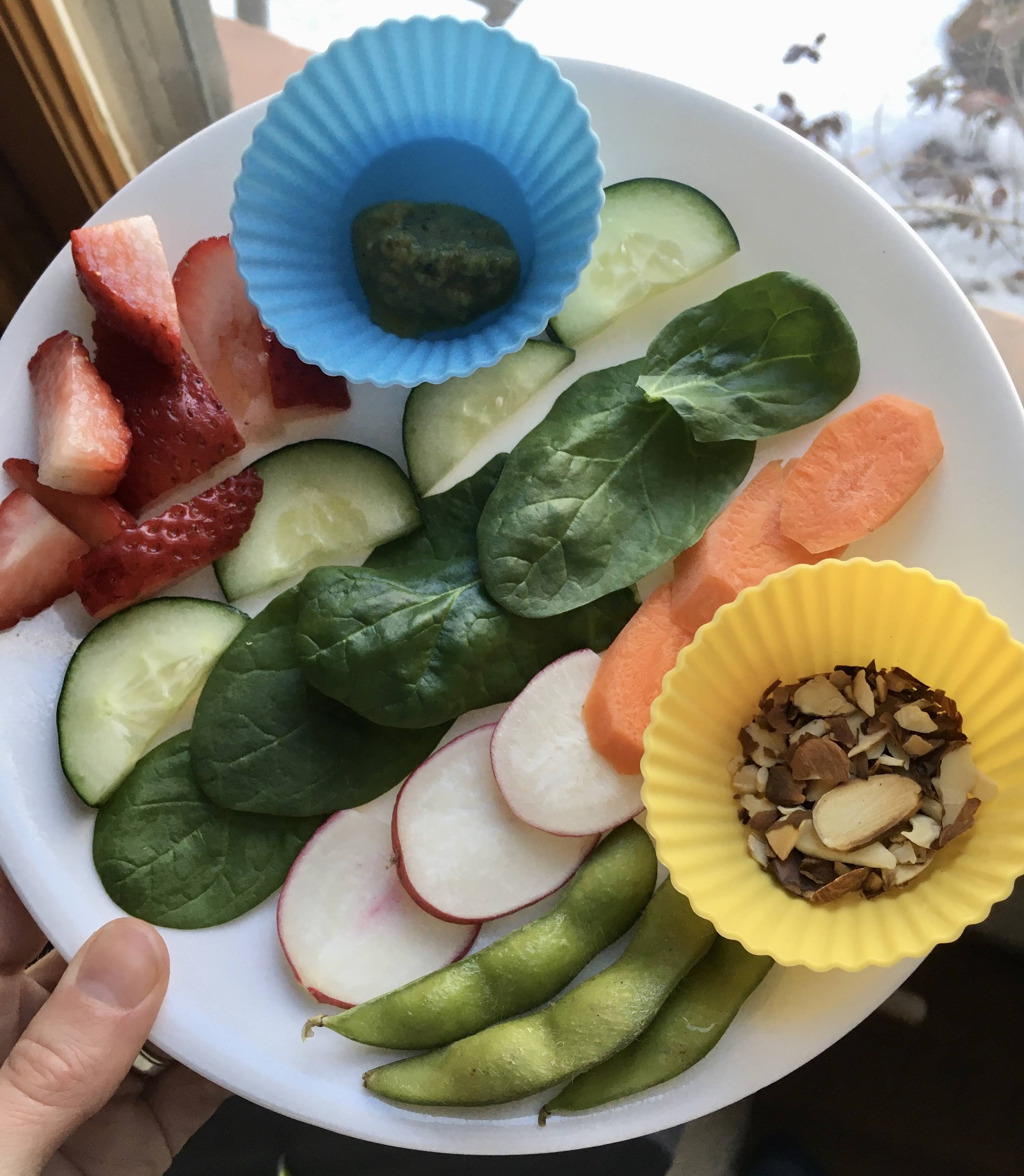
Studies have shown people eat more and enjoy food more when there are more colors on the plate. I like to add some bonus colors by using these silicone muffin cups to hold dips and small veggies.
Try vibrant fruits and veggies like purple cabbage, kiwi, or strawberries.
Everyone Eats the Same
One way to encourage a little eater to try something is to show them you enjoy eating it. Make sure you are going to like eating the salad and always use positive language when discussing it.
Explain What it Is
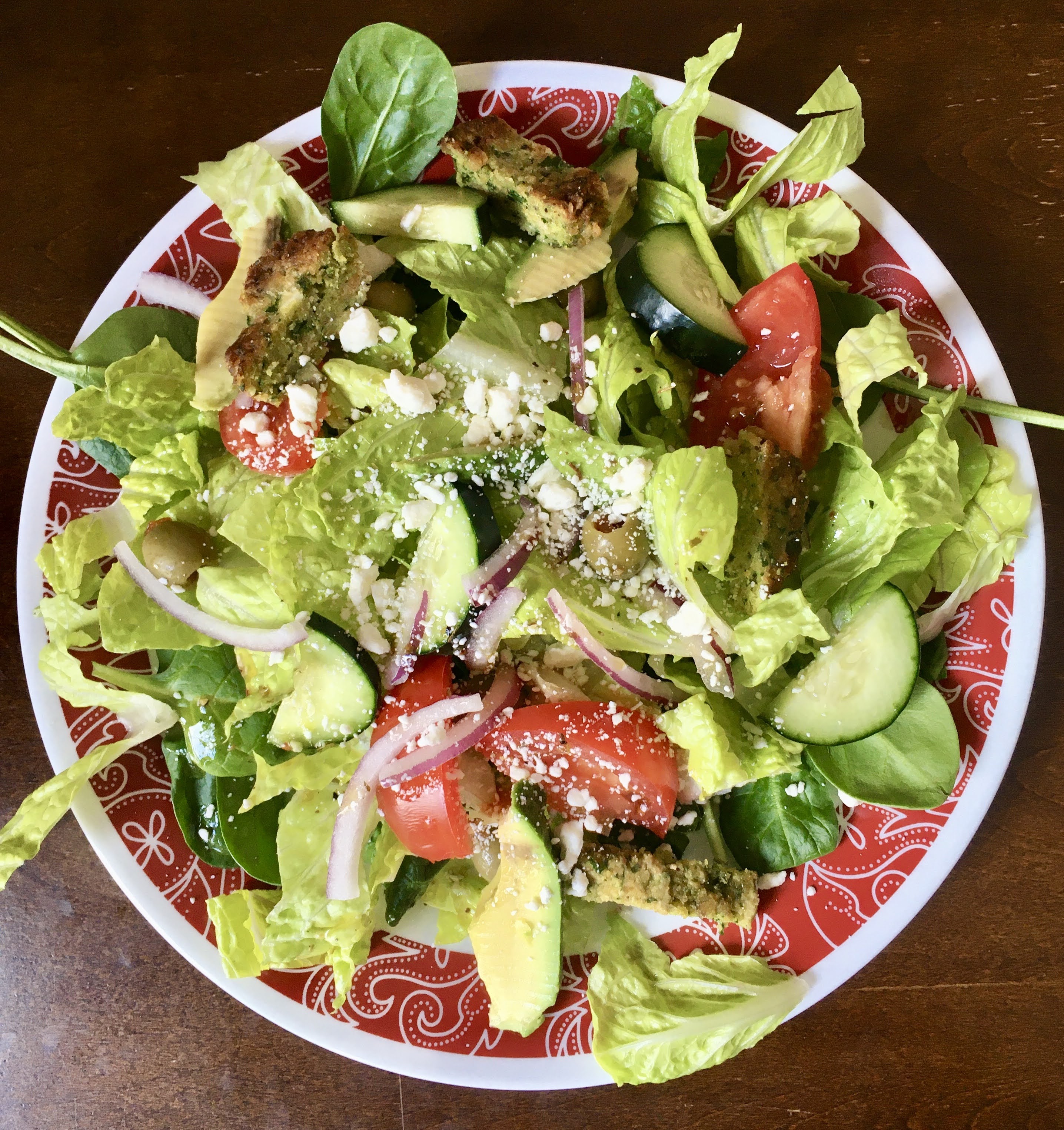
A big part of learning to like new foods is the exploration of a new food experience. Talking about what’s in the salad is the easiest way to make it more familiar. Try relating it to a food they already like. “These tomatoes are what we make pizza sauce out of.” “Olives taste a little sour like pickles.” “You can dip this carrot in your dressing just like you like to dip french fries.”
Remember: Salad is Not the “End All Be All” of Healthy Eating
It is not the end of the world if your toddler won’t eat salad. In fact, it would be a shock if they try it the first time it’s on their plate. There are endless ways to offer fruits and veggies that don’t involve a giant bowl of fresh vegetables. Take the pressure off yourself and them. Try to think of their diet in the big picture of what they’ve eaten this month. Today’s nutrient intake matters a whole lot less than what they’ve eaten over the course of the month. Reducing the high pressure situation of new foods can help twofold: it helps relieve your stress and helps them have a safe environment to explore new foods.
Roasted Salads
Try adding roasted veggies to your salads. Cooked vegetables are much easier for little ones to eat. Make sure they’re in small, bite-sized pieces.
Make it Easy to Eat
Slicing raw veggies can be very important in making the salad enjoyable for a young eater to consume. Try using a mandolin or vegetable peeler to get veg super thin. I like carrot ribbons for the ease of eating and element of whimsy. They look like streamers going across the salad.
Have Fun!
Hope these tips inspire you to try a salad with your little eater. Remember to follow all food safety guidelines when it comes to choking hazards and have fun! We’ve been having big salads for lunch all week, and I love having extra energy in the afternoons because of it. I just had to remember a few tips to ensure pleasant mealtimes for our family, and my preschooler is on her way to enjoying salad (I’ll keep you posted). I love remembering that she is an intelligent human capable of learning to like new things, just like adults (maybe even more so).

 truefamilyfood